What is honey?
- They do not make it for human consumption!
- Made from nectar from flowering plants or aphid secretions
- Nectar contains the disaccharides, glucose a more complex carbohydrates
- Invertase in bee's saliva breaks glucose down to frutcose and glucose.
- Nectar is about 80% water
- Honey is about 15% water.
- Honey is a super saturated solution of glucose and frutcose
- This means there is more sugar dissolved in it than you can do by stirring it in.
- Over time the excess sugar will crystalise out of solution
- It is the glucose that crystalises out.
- Honey which is high in glucose will cystalise most readily.
- Honey made from brassicas is high in glucose and cystalises out readily.
- Oil seed rape is a brassica and the honey can cystalise before it is extracted.
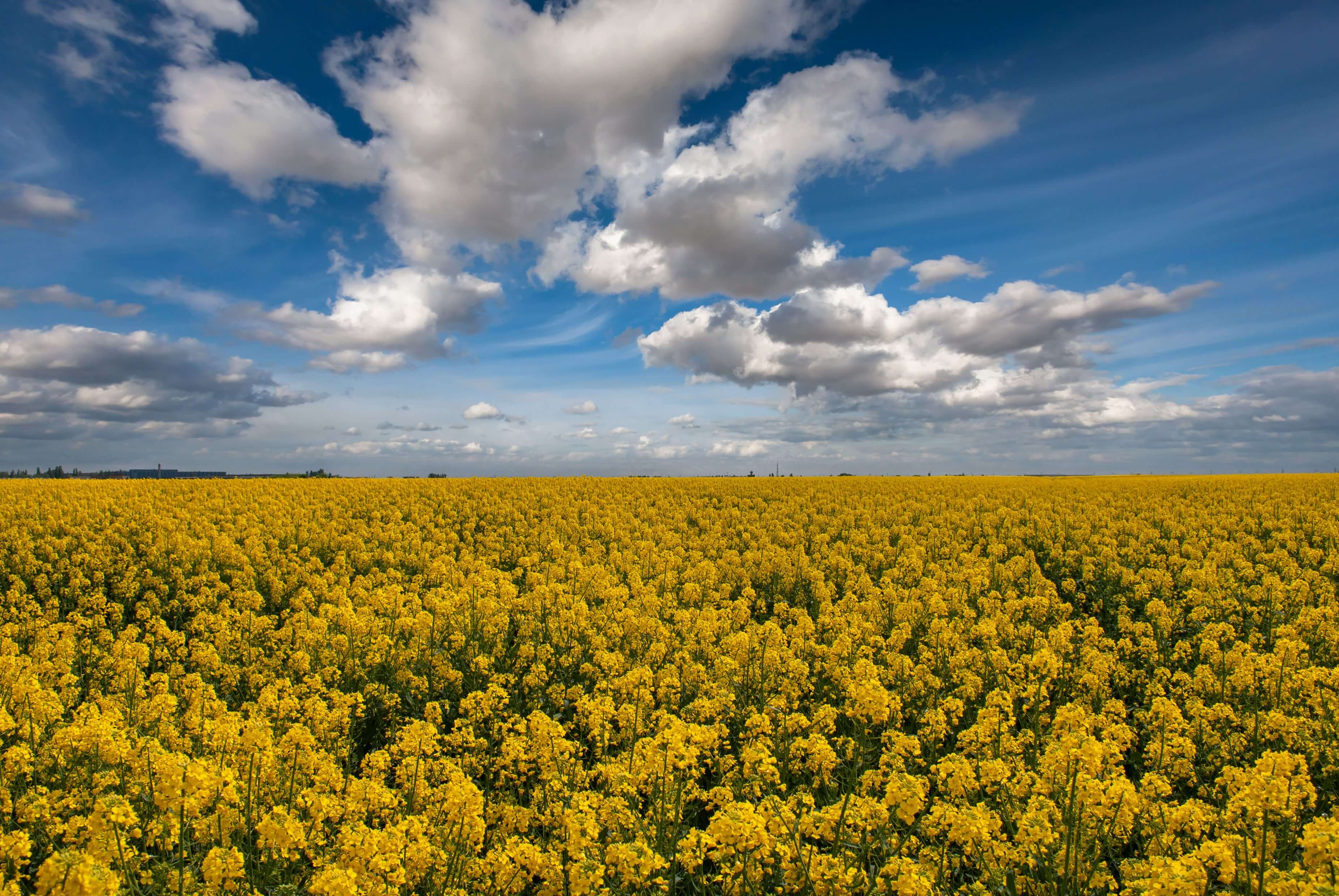
- Honey low in glucose e.g. Chestnut will not crystalise due to low glucose,
- Honey can be "de-crystalised" by gently warming in a water bath at 40C
- Honey is hygroscopic - it will absorb moisture from the air
- It should not be extracted from the hive before it is capped by the bees.
- Once extracted honey should be kept in a sealed tub to settle.
- Water content of honey can be tested with a refractometer.
- Honey with water content above 25% may ferment.
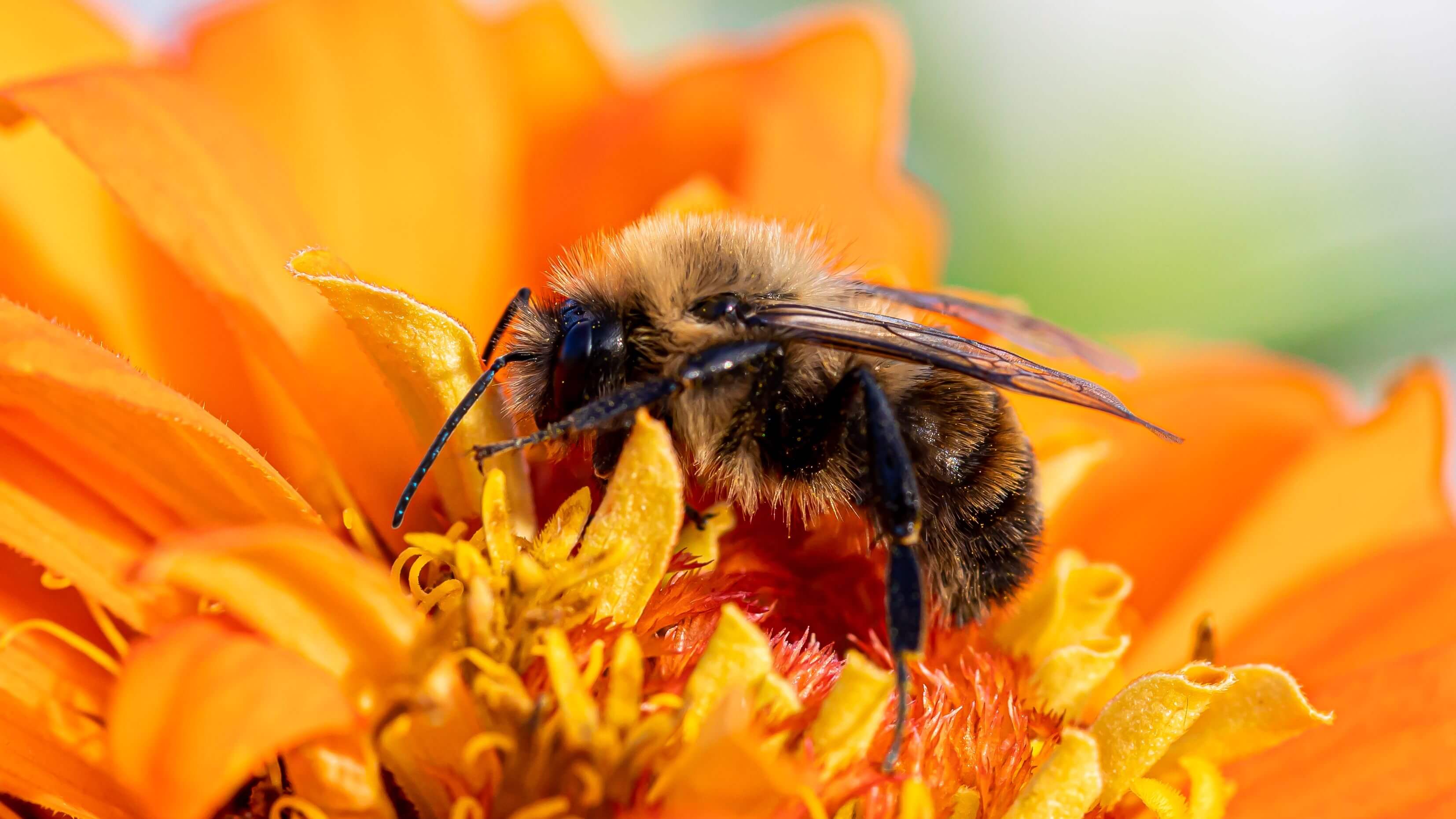
- It is the only natural food which does not spoil.
- One worker bee makes one-twelfth of a teaspoon of honey in its life.
- In that time the worker visits between 50,00 and 100,000 flowers.
- To fill a 280g jar of honey a colony has to:
- Visit 1.2 million flowers
- Fly the equivalent of right round the world.
- Raw honey can contain up to 180 different components.
- Raw honey contains active enzymes
.